Understanding the psychological triggers that drive gambling behavior
The Thrill of Uncertainty
The allure of gambling often lies in its unpredictable nature. The excitement generated from not knowing the outcome can trigger a rush of adrenaline, creating a sense of thrill that many players find irresistible. This uncertainty can lead to a heightened emotional state, compelling individuals to engage more frequently in gambling activities. Players often turn to platforms like https://pincoca.ca/ to enhance their experience, where the anticipation of winning amplifies these feelings, making the experience feel more rewarding.

Moreover, this thrill is tied to psychological concepts such as variable rewards, where outcomes are not consistent. This variability keeps players engaged, as they often remember the instances of big wins more vividly than losses. This phenomenon reinforces the behavior, encouraging individuals to return in hopes of recapturing that exhilarating moment.
The Role of Cognitive Dissonance
Cognitive dissonance plays a significant role in gambling behavior. When individuals gamble and experience losses, they often rationalize their decisions to reduce psychological discomfort. This rationalization might involve convincing oneself that they will win back the losses or that they are simply on a bad streak. These justifications allow players to maintain their gambling habits despite adverse outcomes.
This mental conflict can lead to a cycle of continued gambling, as individuals seek to balance their beliefs and actions. The persistence of these behaviors highlights how powerful cognitive dissonance can be in driving further gambling, often leading players deeper into potential addiction, especially in popular scenarios like the Pinco Game.
Social Influence and Peer Pressure
The social environment surrounding gambling can significantly impact an individual’s behavior. Friends and family can influence one’s decision to engage in gambling, creating a social norm that normalizes risky behaviors. For many, gambling can be a communal activity, where the socialization aspect enhances the appeal. This communal atmosphere often distracts from the potential risks involved.
Additionally, online platforms have furthered this social influence, as players engage with communities that share similar interests in games like Pinco Games. The desire to fit in or share experiences can amplify gambling behaviors, making it essential for individuals to recognize the impact their social circles have on their choices.
Emotional Regulation and Escapism
Many individuals turn to gambling as a form of emotional regulation or escapism. Life stressors, such as work pressures or personal issues, can prompt some to seek solace in the thrill of gambling. The temporary escape that gambling provides can be appealing, as it offers an alternative reality where they can forget their problems.
This emotional connection to gambling can lead to problematic behaviors, as individuals may increasingly rely on this activity to manage their feelings. It’s crucial to understand the underlying emotional triggers that may drive someone to gamble, as these can often escalate into more severe issues over time. This pattern can be evident in environments like Casino Online Pinco.
Pinco Casino: A Safe Gambling Environment
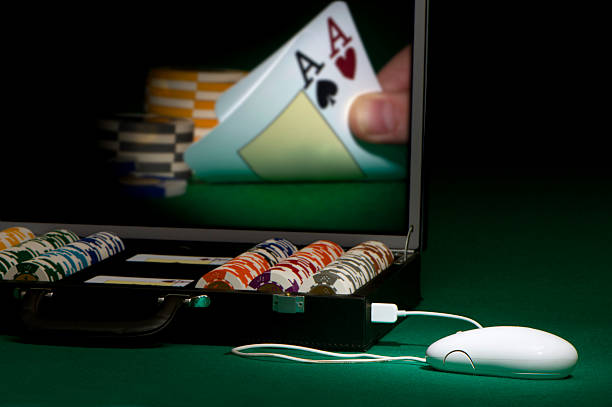
Pinco Casino offers a secure platform for those looking to indulge in gambling while being mindful of their psychological triggers. With a commitment to responsible gaming, Pinco Casino provides tools and resources that help players maintain control over their gambling habits. This dedication to player protection ensures a fair gaming experience, making it easier for individuals to enjoy their favorite games without the risk of losing control.
By emphasizing transparency and player safety, Pinco Casino creates an environment where individuals can explore the thrill of gambling while being aware of the psychological factors at play. This approach not only enhances the gaming experience but also fosters a more responsible gambling culture among its users, particularly evident in activities related to the Pinco Casino Game.