
Understanding Crimea Sanctions: Implications and Consequences
The situation in Crimea has prompted a range of sanctions from various countries and international bodies. These measures, enacted primarily since Russia’s annexation of the region in 2014, have significant implications for international operations and relations. For detailed insights into the legal context, including operational impacts, you can refer to this resource: information on Crimea sanctions https://jurisnotary.com/pgs/crimea-sanctions-what-they-mean-for-international-operations.html.
Overview of Crimea Sanctions
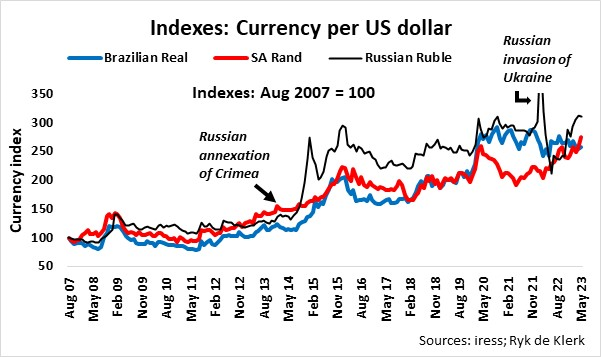
In response to the annexation of Crimea by Russia, a multi-layered sanctions regime was initiated primarily by the United States, the European Union, Canada, and several other countries. These sanctions have been designed to target specific sectors of the Russian economy, individual officials, and entities involved in or benefiting from the annexation of Crimea. The main objective is not only to penalize but to deter further aggression and uphold international law.
Types of Sanctions
Sanctions imposed on Crimea can be broadly categorized into several types:
- Economic Sanctions: These include restrictions on trade with Crimea, banning the export of goods, services, and technology to the region. Specific sectors such as energy, finance, and defense are heavily targeted to undermine economic stability.
- Travel Bans: Individuals identified as responsible for the annexation or who support it are subject to travel bans, preventing them from entering sanctioned jurisdictions.
- Asset Freezes: The assets of individuals and companies involved in the annexation are frozen, which limits their ability to operate internationally.
- Sectoral Sanctions: These measures specifically target key economic sectors, including finance, energy, and dual-use goods that can serve military purposes, restricting access to financing and technology.
Impacts on International Relations
The sanctions have led to increased tensions between countries that impose them and Russia. The geopolitical landscape has shifted, with countries reassessing their relationships with both Russia and Ukraine. The sanctions have been a point of division within international relations, particularly between Western nations and those closer to Russia.
Implications for Businesses
For businesses operating on an international scale, the Crimea sanctions present complex challenges. Companies must navigate a web of legal requirements to ensure compliance with sanctions regulations. Violating these sanctions can lead to severe penalties, including fines and restrictions on future business opportunities. Consequently, many organizations are reevaluating their risk management strategies and international operations.
Risk Mitigation Strategies
To mitigate risks associated with Crimea sanctions, organizations can implement various strategies:
- Due Diligence: Conduct comprehensive due diligence on partners, vendors, and clients to ensure they are not connected to sanctioned individuals or entities in Crimea.
- Compliance Training: Regularly train staff on compliance with sanctions laws and internal policies, ensuring all employees understand the implications of sanctions.
- Consultation with Experts: Engage legal and compliance experts to stay updated on evolving sanctions laws and to receive guidance on navigating complex situations.
- Strategic Partnerships: Entering into partnerships with organizations that are compliant and knowledgeable about sanctions can help mitigate risks and navigate complex regulatory environments.
Future Outlook
The future of Crimea sanctions remains uncertain, as geopolitical tensions continue to evolve. The international community is divided on the effectiveness of sancti

ons as a strategy to change Russia’s behavior. Ongoing developments in the region, changes in leadership, and shifting alliances will likely influence the continuity and enforcement of sanctions.
Potential Changes in Sanctions Policy
As the situation in Crimea evolves, sanctions policies may also shift. It is crucial for businesses and individuals to remain vigilant and informed about changes in sanctions regulations. International diplomacy efforts, elections in key countries, and public sentiment can all impact the sanctions landscape.
Conclusion
The sanctions against Crimea represent a significant aspect of international relations and compliance for businesses engaged in global operations. Understanding the implications of these regulations is essential for navigating the complexities of international trade and maintaining compliance. By implementing robust risk management strategies and staying informed about legal developments, organizations can better position themselves in a challenging geopolitical climate.